Treated by Dr. Roshan Kumar Jaiswal
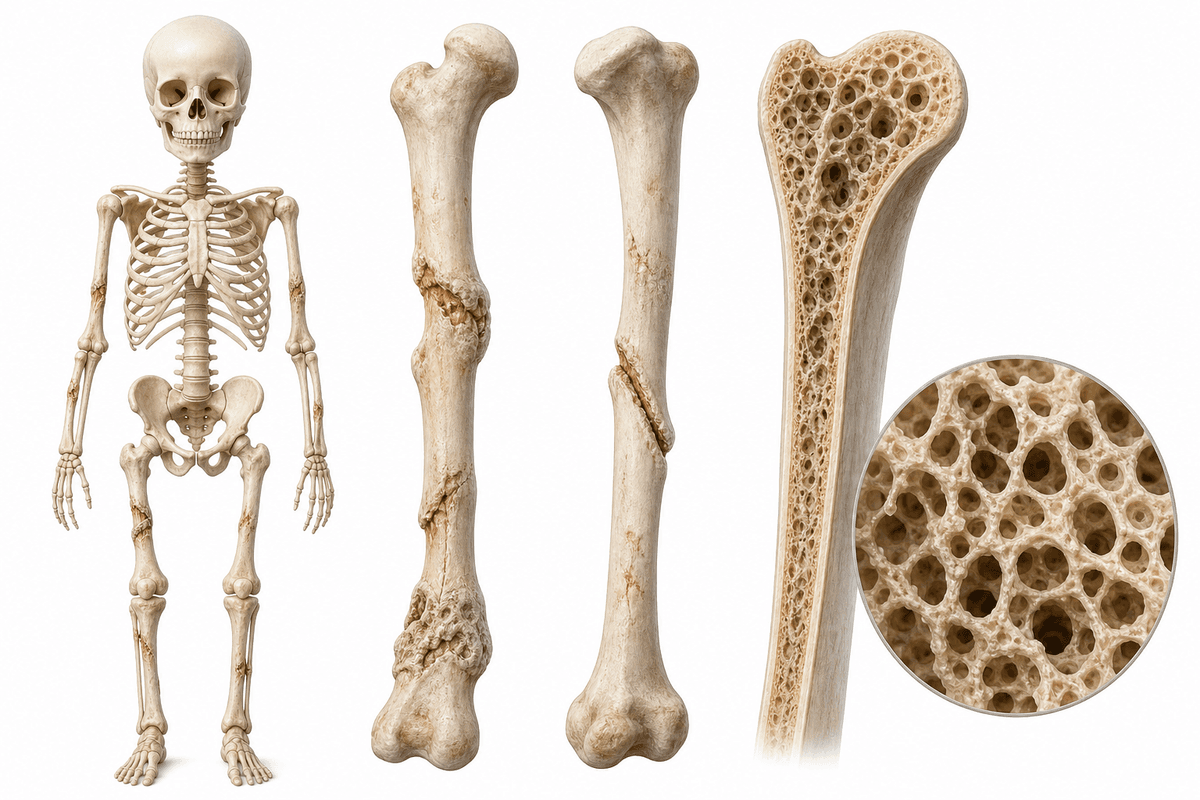
Osteogenesis Imperfecta, also known as brittle bone disease, affects children in Secunderabad with genetic mutations causing fragile bones prone to fractures. This rare connective tissue disorder requires specialized pediatric orthopedic management to prevent deformities, improve mobility, and enhance quality of life through comprehensive medical and surgical interventions. Dr. Roshan Kumar Jaiswal provides expert multidisciplinary care for children with this challenging condition.
The mildest and most common form with normal or near-normal height, blue sclerae, and mild bone fragility. Fractures decrease after puberty with minimal deformity and normal lifespan expected.
Severe form with progressive skeletal deformities, very short stature, triangular face, and multiple fractures at birth. Patients experience severe bone fragility, spinal deformities, and significant mobility limitations requiring extensive intervention.
Moderate severity with variable bone fragility, mild to moderate short stature, and normal or grayish sclerae. Patients experience bone deformities and fractures but with better outcomes than Type III when properly managed.
Multiple factors can contribute to the development and progression of this condition.
Osteogenesis Imperfecta develops gradually. Recognising symptoms early gives you more treatment options.
From conservative to surgical — we always start with the least invasive option first.
A structured, patient-first approach from first visit to full recovery.
Dr. Roshan Kumar Jaiswal conducts thorough clinical assessment including detailed family history, physical examination for skeletal abnormalities, and genetic testing to confirm diagnosis and determine OI type. Complete skeletal surveys, bone density studies, and multidisciplinary consultations establish baseline severity and guide personalized treatment planning.
A comprehensive care plan is developed integrating medical management with bisphosphonates, physical therapy protocols, and surgical timing decisions. Dr. Jaiswal coordinates with geneticists, endocrinologists, and rehabilitation specialists to optimize bone health, prevent complications, and address associated conditions like hearing loss or dental issues.
When indicated, Dr. Roshan Kumar Jaiswal performs specialized orthopedic procedures including intramedullary rodding with telescoping devices, corrective osteotomies for severe deformities, and spinal stabilization surgeries. Advanced surgical techniques minimize complications while providing stable fixation in fragile bone, with careful attention to timing and bone quality optimization.
Regular monitoring tracks growth, bone density changes, and functional outcomes with treatment adjustments as needed. Dr. Jaiswal provides continuous support through skeletal maturity, managing fractures conservatively when possible, planning revision surgeries for growing rods, and ensuring smooth transition to adult care with optimized bone health and maximum independence.
What to expect at each phase of recovery.
After surgical procedures, patients require careful pain management, wound care, and early mobilization as tolerated. Hospital stay typically ranges from 3-7 days depending on procedure complexity, with emphasis on preventing complications and initiating gentle rehabilitation exercises under supervision.
Structured physiotherapy begins within weeks of surgery, focusing on regaining strength, improving range of motion, and re-establishing safe mobility patterns. Progressive weight-bearing protocols are customized to individual bone quality and surgical procedure, with close monitoring for any complications or delayed healing.
Ongoing therapy and lifestyle adaptations continue for months to years, emphasizing maximizing independence, preventing future fractures, and monitoring bone growth in children with telescoping rods. Regular follow-ups assess need for rod lengthening, bisphosphonate adjustments, and optimization of overall bone health and quality of life.
Combined medical and surgical treatment reduces fracture frequency by 50-80%, allowing children to participate more safely in daily activities and improving overall quality of life with fewer painful injuries and hospitalizations.
Intramedullary rodding and corrective surgeries enable better ambulation, with many patients achieving independent walking with or without assistive devices. Enhanced mobility promotes physical development, social participation, and psychological well-being throughout childhood and adolescence.
Early surgical intervention prevents or corrects severe limb and spinal deformities that would otherwise compromise function and respiratory capacity. Maintaining proper alignment supports better long-term orthopedic outcomes and reduces secondary complications associated with untreated skeletal abnormalities.
Comprehensive multidisciplinary care significantly improves physical function, reduces pain, and supports normal social and educational development. Patients achieve better self-care abilities, participate in age-appropriate activities, and experience improved emotional well-being with reduced disease burden.
Without appropriate treatment, Osteogenesis Imperfecta leads to numerous recurrent fractures, progressive skeletal deformities, and severe mobility limitations often resulting in wheelchair dependency. Untreated spinal curvatures can cause respiratory compromise and life-threatening complications, while chronic pain and repeated injuries severely impact psychological development and quality of life. Early intervention is essential to prevent irreversible deformities and optimize functional outcomes.
Parents should seek immediate consultation if their child experiences multiple fractures with minimal trauma, displays abnormal bone development or limb bowing, or has blue-tinted sclerae suggesting connective tissue abnormality. Children with known Osteogenesis Imperfecta require urgent evaluation for any new fracture, increasing deformity, respiratory difficulties, or declining mobility to prevent complications and optimize treatment timing.
Early treatment means more options and better outcomes. Book a consultation to understand your condition and explore the right path forward.
Consult Roshan Kumar Jaiswal for Osteogenesis Imperfecta at any of these 9 centres — pick the one nearest you.