Treated by Dr. Roshan Kumar Jaiswal
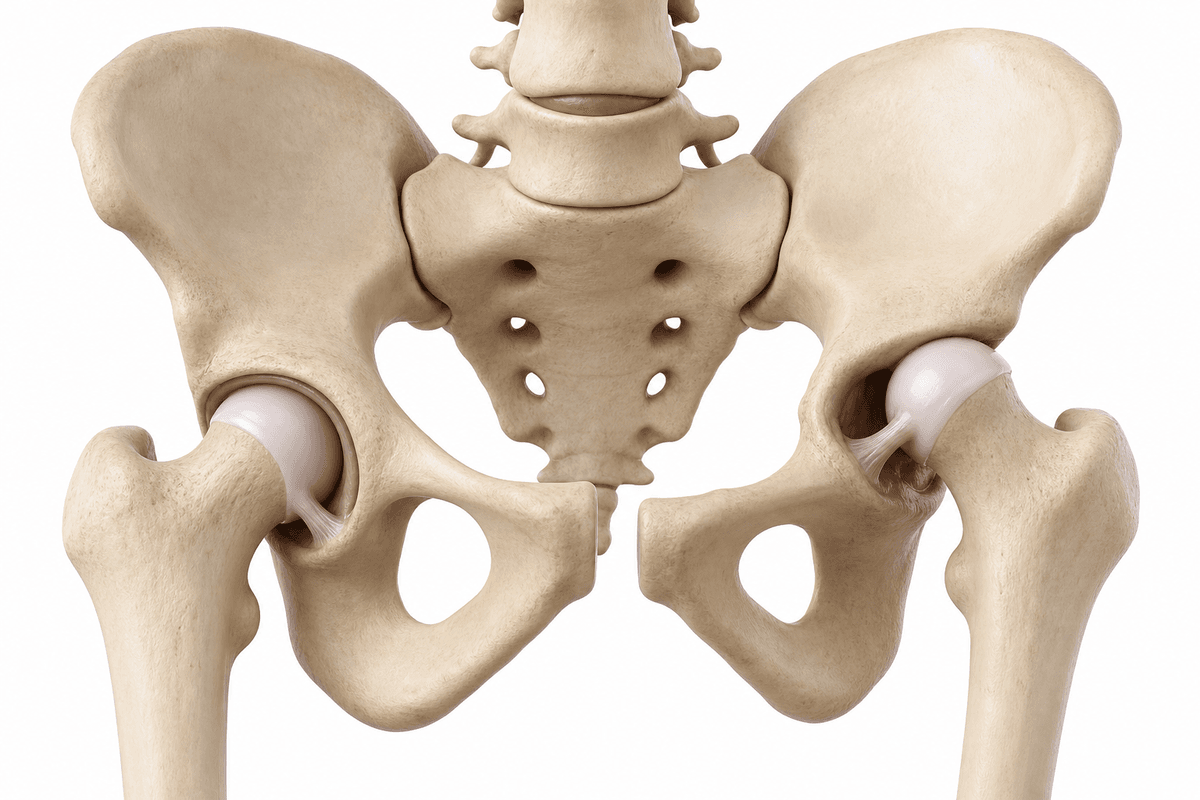
Developmental Dysplasia of the Hip (DDH) in Secunderabad refers to a spectrum of hip abnormalities where the ball and socket joint of the hip doesn't form properly in infants and young children. This condition can range from mild hip laxity to complete hip dislocation, affecting normal hip development and function. Early detection and treatment are crucial for optimal outcomes. Dr. Roshan Kumar Jaiswal, a specialized Pediatric Orthopedic Surgeon in Secunderabad, provides comprehensive diagnosis and treatment for children with DDH.
The mildest form where the hip joint is loose and can be partially displaced but spontaneously reduces. Often detected during newborn screening examinations with special maneuvers.
Partial displacement of the femoral head from the acetabulum where the ball of the hip joint is not fully seated in the socket but maintains some contact with it.
Complete displacement where the femoral head is entirely outside the acetabulum with no contact between the ball and socket. This is the most severe form requiring prompt intervention.
Multiple factors can contribute to the development and progression of this condition.
Developmental Dysplasia of the Hip (DDH) develops gradually. Recognising symptoms early gives you more treatment options.
From conservative to surgical — we always start with the least invasive option first.
A structured, patient-first approach from first visit to full recovery.
Dr. Roshan Kumar Jaiswal performs detailed physical examination including Ortolani and Barlow tests for hip instability, assesses skin fold symmetry, leg length, and range of motion. Age-appropriate imaging including ultrasound for infants under 4 months and X-rays for older children are ordered to confirm diagnosis and classify severity.
Based on the child's age, severity of dysplasia, and specific hip anatomy, Dr. Jaiswal develops a personalized treatment protocol. He discusses all options with parents, explaining success rates, duration, and lifestyle implications of each approach to ensure informed decision-making and optimal compliance.
Dr. Roshan Kumar Jaiswal implements the chosen treatment with meticulous attention to detail, whether fitting a Pavlik harness with proper strap tension, performing arthrogram-guided reduction, or executing complex surgical reconstruction. Regular follow-up imaging ensures the hip remains properly positioned throughout treatment.
Dr. Jaiswal provides comprehensive follow-up care extending into adolescence, monitoring hip development, acetabular remodeling, and functional outcomes. Physical therapy protocols are integrated to optimize muscle strength, gait patterns, and overall hip function as the child grows.
What to expect at each phase of recovery.
For harness treatment, families learn proper application and skin care within the first week. For surgical cases, hospital stay is 1-3 days followed by 6-12 weeks in spica cast with adaptations for daily activities including feeding, bathing, and transportation in car seats.
Spanning 3-6 months after treatment initiation, this phase involves continued bracing or casting with gradual acetabular remodeling. Serial imaging confirms proper hip development. After cast removal, gentle range of motion exercises begin with focus on preventing stiffness while protecting the healing hip joint.
From 6 months to 2 years post-treatment, physical therapy focuses on age-appropriate motor development, strengthening hip muscles, and normalizing gait patterns. Regular clinical and radiographic follow-ups monitor for residual dysplasia, avascular necrosis, or other complications requiring additional intervention.
When treated early with appropriate methods, over 90% of children achieve normal hip anatomy with proper acetabular depth, femoral head coverage, and joint congruency allowing full function without restrictions.
Successful treatment prevents premature hip joint degeneration, with properly treated hips having similar long-term outcomes to normal hips, avoiding the need for hip replacement in young adulthood.
Appropriate treatment ensures equal leg lengths and eliminates limping or gait abnormalities, allowing children to participate fully in sports, physical activities, and daily life without limitations or discomfort.
Early and effective treatment minimizes the need for multiple corrective procedures, with most children requiring only their initial intervention when diagnosed and managed promptly by experienced pediatric orthopedic specialists.
Untreated DDH leads to progressive hip problems including chronic pain, abnormal gait, and significant leg length discrepancy. The unstable hip joint experiences abnormal wear patterns causing early-onset osteoarthritis often requiring total hip replacement in the second or third decade of life. Children may experience functional limitations, difficulty with physical activities, and progressive deformity affecting quality of life and mobility throughout adulthood.
Parents should seek evaluation if they notice asymmetric skin folds, difficulty spreading the baby's legs during diaper changes, or clicking sounds from the hip. Immediate consultation is essential for babies born breech, those with family history of DDH, or if routine screening suggests hip instability. Children with limping, toe-walking, or delayed walking milestones should be evaluated promptly as these may indicate undiagnosed hip dysplasia requiring urgent intervention.
Early treatment means more options and better outcomes. Book a consultation to understand your condition and explore the right path forward.
Consult Roshan Kumar Jaiswal for Developmental Dysplasia of the Hip (DDH) at any of these 9 centres — pick the one nearest you.