Treated by Dr. Roshan Kumar Jaiswal
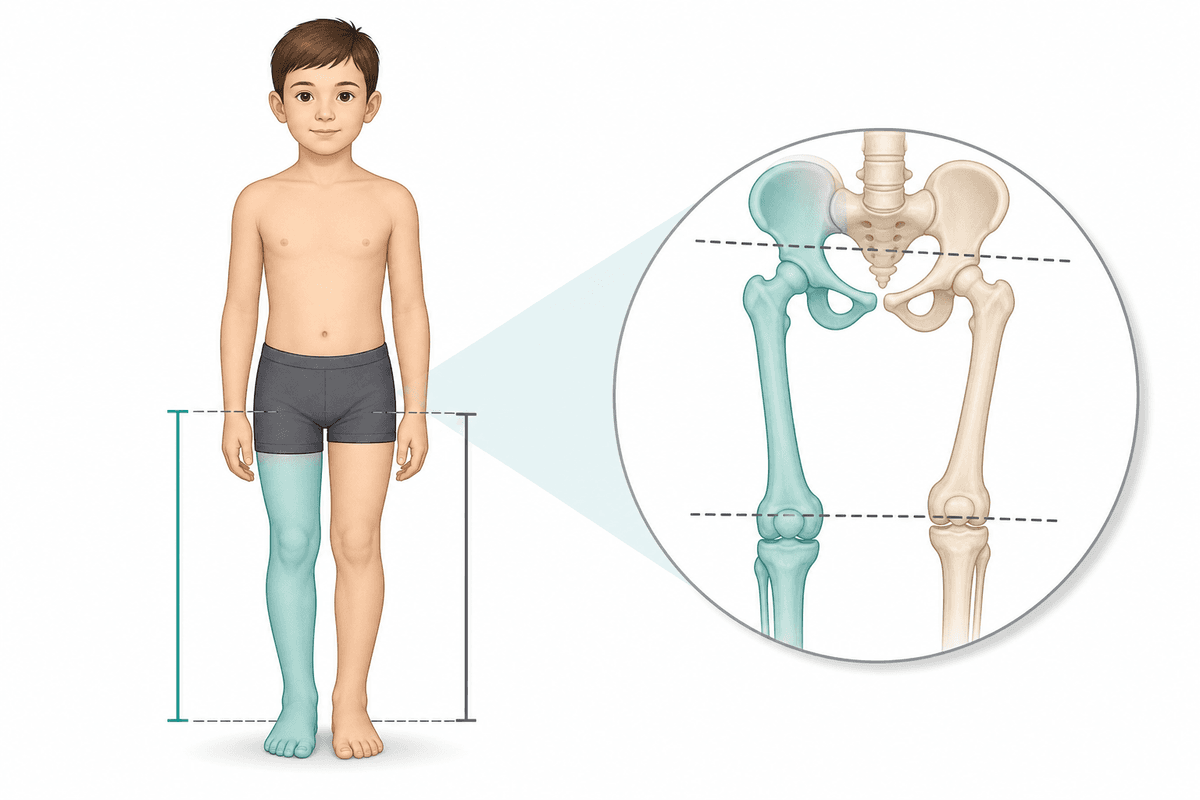
Limb length discrepancies in Secunderabad occur when one leg or arm is shorter than the other, affecting children's posture, gait, and skeletal development. This condition can be congenital or acquired through injury, infection, or growth plate abnormalities. Dr. Roshan Kumar Jaiswal provides specialized pediatric orthopedic evaluation and treatment to correct length differences and restore normal function.
Present at birth due to developmental abnormalities, genetic conditions, or skeletal dysplasias affecting bone growth patterns from infancy.
Develops after birth from fractures, infections, tumors, or neurological conditions that disrupt normal bone growth and development.
One side of the body grows larger than the other, causing asymmetric limb development and requiring specialized monitoring and treatment.
Multiple factors can contribute to the development and progression of this condition.
Limb length discrepancies develops gradually. Recognising symptoms early gives you more treatment options.
From conservative to surgical — we always start with the least invasive option first.
A structured, patient-first approach from first visit to full recovery.
Dr. Roshan Kumar Jaiswal performs detailed physical examination, obtains scanogram X-rays to measure exact discrepancy, and assesses bone age to predict future growth patterns.
Based on the child's age, discrepancy magnitude, and growth potential, Dr. Jaiswal develops an individualized treatment strategy selecting the most appropriate timing and technique.
When surgery is indicated, Dr. Jaiswal performs minimally invasive guided growth procedures or advanced limb lengthening techniques with meticulous attention to alignment and bone health.
Dr. Jaiswal provides ongoing follow-up care with serial measurements, adjusts treatment approaches as the child grows, and ensures optimal functional outcomes throughout skeletal maturity.
What to expect at each phase of recovery.
Initial healing period of 2-6 weeks involving wound care, pain management, and protected weight-bearing with crutches or walker assistance as needed.
Physical therapy focusing on range of motion, muscle strengthening, gait training, and gradual return to activities over 2-6 months depending on procedure type.
For lengthening procedures, bone consolidation phase lasting several months with progressive loading, eventual hardware removal, and return to full unrestricted activities.
Restoration of balanced walking pattern with elimination of limp and normalized biomechanics reducing stress on spine and joints.
Increased ability to participate in sports, recreational activities, and daily tasks without compensatory movements or fatigue.
Reduced risk of developing scoliosis, hip arthritis, knee problems, and chronic back pain associated with untreated discrepancies.
Better body image and psychological well-being as children achieve more symmetric appearance and normalized physical function.
Untreated limb length discrepancies can lead to progressive spinal deformities including scoliosis, chronic back and hip pain, and premature arthritis in weight-bearing joints. The abnormal gait mechanics place excessive stress on the longer limb's joints while the compensatory postures strain muscles and ligaments. Over time, functional limitations worsen and quality of life diminishes as secondary complications become increasingly difficult to manage.
Parents should seek evaluation if they notice their child walking with a limp, standing with uneven shoulders or hips, or complaining of leg, hip, or back discomfort. Early consultation is particularly important for children with known risk factors such as previous fractures, bone infections, or congenital conditions. Timely assessment by a pediatric orthopedic specialist allows for accurate measurement and optimal timing of interventions during growth years.
Early treatment means more options and better outcomes. Book a consultation to understand your condition and explore the right path forward.
Consult Roshan Kumar Jaiswal for Limb length discrepancies at any of these 9 centres — pick the one nearest you.