Treated by Dr. Roshan Kumar Jaiswal
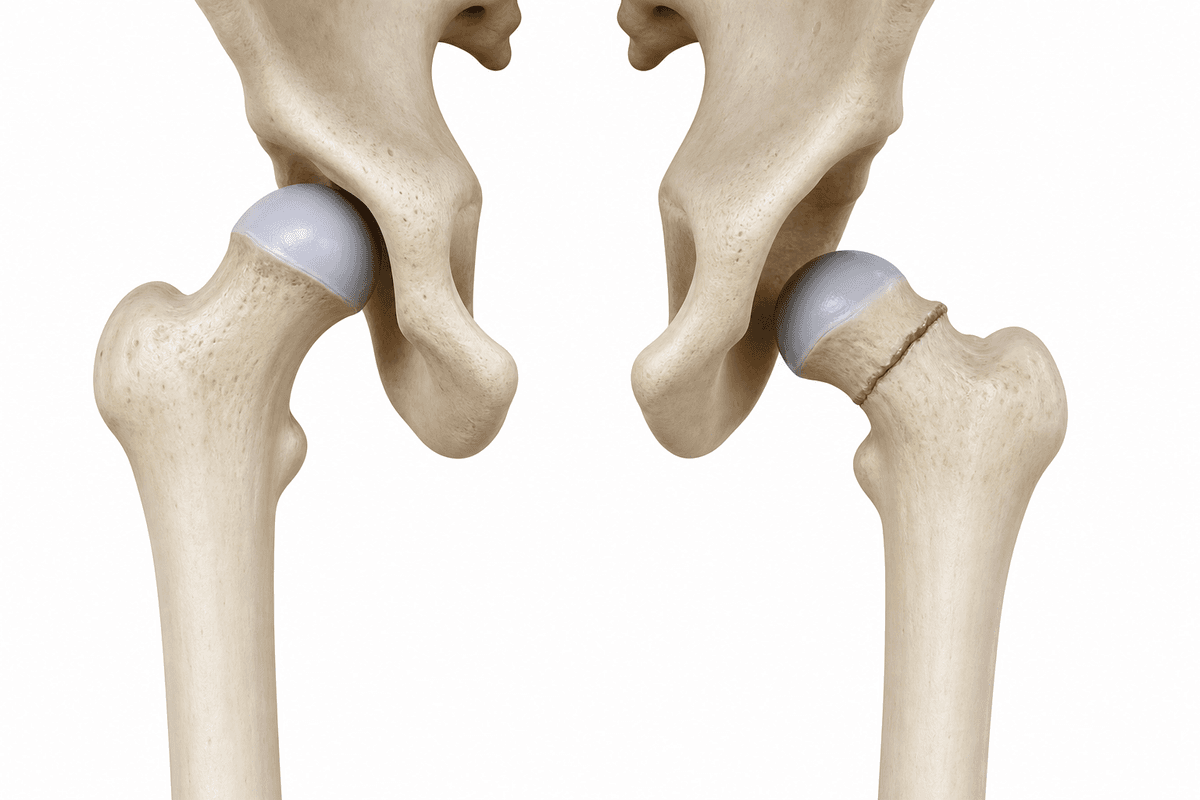
Slipped Capital Femoral Epiphysis (SCFE) is a serious hip condition affecting adolescents in Secunderabad where the femoral head (ball of the hip joint) slips backward on the growth plate. This disorder occurs most commonly during growth spurts and can lead to significant hip problems if not treated promptly. Dr. Roshan Kumar Jaiswal specializes in diagnosing and surgically treating SCFE with advanced pediatric orthopedic techniques.
The child can walk or bear weight with or without crutches. The femoral head remains in relatively good position and the growth plate is partially intact. This is the most common presentation and has better outcomes with prompt treatment.
The child cannot walk or bear weight even with crutches due to severe pain. The femoral head has significantly slipped off the growth plate. This is a surgical emergency requiring immediate intervention to prevent complications like avascular necrosis.
Symptoms have been present for more than three weeks with gradual onset. The body has partially adapted to the slipped position. Requires careful surgical planning to correct the deformity and prevent further progression.
Multiple factors can contribute to the development and progression of this condition.
Slipped Capital Femoral Epiphysis (SCFE) develops gradually. Recognising symptoms early gives you more treatment options.
From conservative to surgical — we always start with the least invasive option first.
A structured, patient-first approach from first visit to full recovery.
Dr. Roshan Kumar Jaiswal conducts thorough clinical examination including gait analysis and hip range of motion assessment. Advanced imaging with AP and frog-leg lateral X-rays confirms the diagnosis and determines slip severity. Additional studies including MRI and endocrine evaluation are ordered when indicated to assess complications and underlying causes.
Once SCFE is diagnosed, Dr. Jaiswal immediately restricts weight-bearing to prevent progression and schedules urgent or emergent surgery based on stability. For unstable slips, emergency surgical intervention is arranged within hours. Pre-operative planning includes detailed imaging review and surgical approach selection tailored to each patient's specific anatomy.
Dr. Roshan Kumar Jaiswal performs precise surgical fixation using fluoroscopy-guided techniques for optimal screw placement. For complex cases, he employs advanced open reduction or osteotomy procedures to restore hip anatomy. Meticulous surgical technique preserves blood supply to the femoral head while achieving stable fixation, minimizing complication risks.
Dr. Jaiswal develops individualized post-operative rehabilitation protocols including progressive weight-bearing and physical therapy. Regular follow-up appointments with serial X-rays monitor healing and detect any complications early. Long-term surveillance continues through skeletal maturity to ensure optimal hip development and function, with attention to the contralateral hip.
What to expect at each phase of recovery.
Protected weight-bearing with crutches or walker is maintained while bone healing begins. Pain management and wound care are emphasized. Physical therapy focuses on maintaining hip range of motion within safe limits and preventing muscle atrophy. Regular X-rays confirm screw position and early healing.
Gradual transition to full weight-bearing as radiographic healing progresses and clinical symptoms improve. Structured physical therapy advances to strengthening exercises and gait normalization. Activity restrictions are progressively lifted while high-impact sports remain prohibited. Hip function and muscle strength steadily improve.
Full weight-bearing is achieved with normalized gait pattern and restored hip range of motion. Progressive return to sports and physical activities follows functional testing and physician clearance. Long-term monitoring continues to assess growth plate closure, screen for avascular necrosis, and evaluate the opposite hip. Most patients return to normal activities with appropriate precautions.
Successful surgical fixation prevents further slippage in over 95% of stable SCFE cases treated with in-situ pinning. The growth plate gradually closes in its fixed position, and the hip develops without progression. Early diagnosis and treatment are critical for achieving this excellent stabilization outcome.
Most patients with stable SCFE achieve excellent hip function with minimal long-term limitations after appropriate treatment. Return to sports and normal activities typically occurs within 4-6 months. Mild restrictions in extreme hip rotation may persist but rarely affect daily function or quality of life.
Prompt surgical intervention significantly reduces risks of avascular necrosis, chondrolysis, and severe hip arthritis. With expert surgical technique preserving blood supply, major complications occur in less than 5% of stable cases. Long-term monitoring identifies any issues early when intervention is most effective.
Successful treatment allows near-normal hip growth and development through skeletal maturity in most cases. Minor leg length discrepancies may occur but are usually clinically insignificant. The contralateral hip requires ongoing surveillance as bilateral involvement occurs in 20-40% of cases within 18 months.
Untreated SCFE inevitably progresses with continued slippage of the femoral head, leading to severe hip deformity and mechanical dysfunction. The abnormal hip anatomy causes femoroacetabular impingement, labral tears, and cartilage damage, resulting in painful early-onset hip arthritis often requiring total hip replacement in young adulthood. Acute complications including avascular necrosis and complete femoral head displacement can cause permanent disability and chronic pain.
Seek immediate evaluation if your child develops persistent hip, groin, or knee pain, especially with limping or difficulty walking. Any adolescent with sudden inability to bear weight on one leg requires emergency orthopedic assessment to rule out unstable SCFE. Early consultation with Dr. Roshan Kumar Jaiswal is crucial for children at higher risk including those who are obese, have endocrine disorders, or experience pain during growth spurts, as prompt diagnosis and treatment dramatically improve outcomes.
Early treatment means more options and better outcomes. Book a consultation to understand your condition and explore the right path forward.
Consult Roshan Kumar Jaiswal for Slipped Capital Femoral Epiphysis (SCFE) at any of these 9 centres — pick the one nearest you.