Performed by Dr. Roshan Kumar Jaiswal
Length Discrepancy Correction in Secunderabad addresses unequal limb lengths in children, which can affect gait, posture, and overall musculoskeletal development. This specialized pediatric orthopedic procedure uses advanced techniques including growth modulation, limb lengthening, or shortening to restore balance and function. Dr. Roshan Kumar Jaiswal provides expert care with personalized treatment plans tailored to each child's unique needs.
We believe in honest, upfront disclosure so you can make an informed decision.
A step-by-step look at what happens during this procedure.
Comprehensive evaluation includes detailed physical examination, full-length standing radiographs, and scanogram to precisely measure limb length discrepancy and determine underlying cause.
Based on the child's age, growth potential, discrepancy magnitude, and cause, the surgeon selects the optimal technique: epiphysiodesis for growth modulation, limb lengthening with external fixators, or shortening procedures.
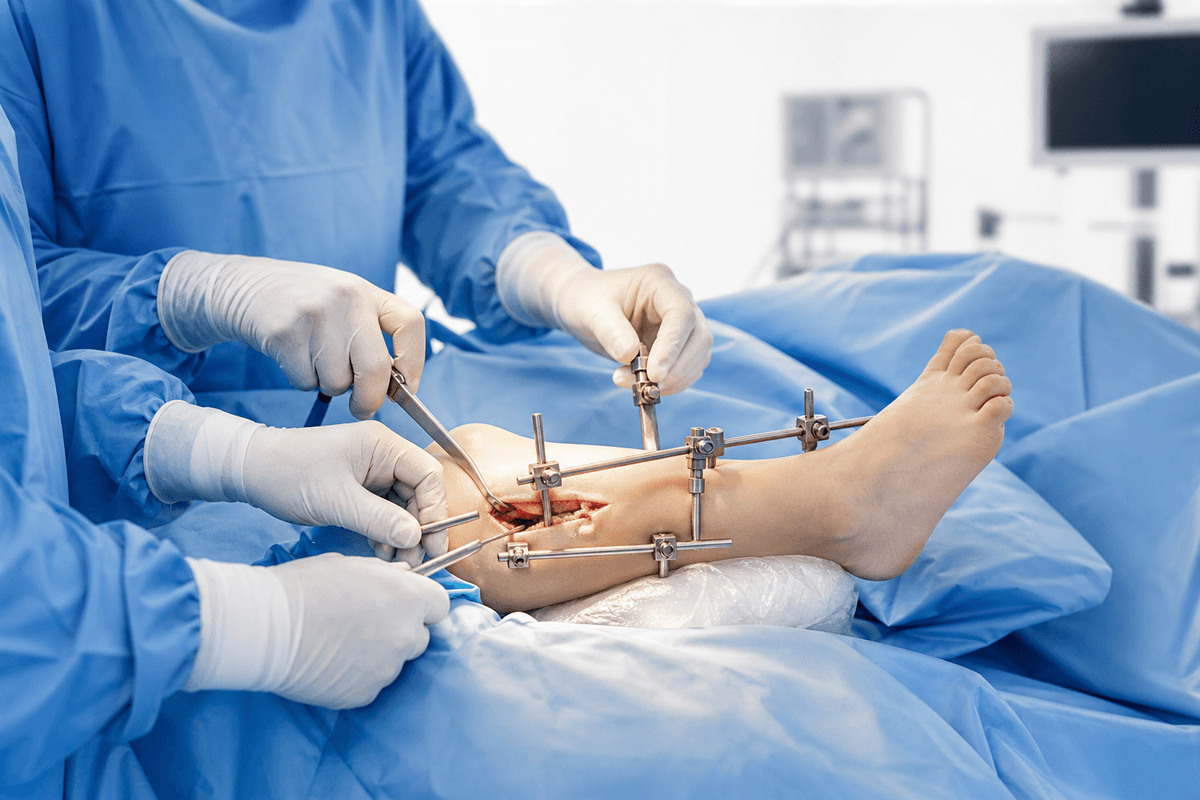
The chosen procedure is performed under general anesthesia. For lengthening, an osteotomy is made and an external fixator or internal device is applied. For shortening or growth arrest, bone segments are removed or growth plates are ablated.
In lengthening procedures, gradual bone distraction begins 5-7 days post-surgery at approximately 1mm per day, allowing new bone to form in the gap through distraction osteogenesis.
After achieving the desired length, the bone consolidates and strengthens over several months while the fixator remains in place, followed by device removal and continued bone remodeling.
A structured, patient-first approach from first consultation to full recovery.
Dr. Roshan Kumar Jaiswal conducts thorough assessments including growth chart analysis, skeletal maturity evaluation, and advanced imaging to create individualized correction plans that optimize timing and technique for each child's unique physiology.
Using state-of-the-art methods including motorized lengthening nails, hexapod external fixators, and minimally invasive approaches, Dr. Jaiswal ensures precise correction with minimal scarring and optimal comfort throughout the treatment process.
A structured physiotherapy protocol is initiated immediately post-surgery, focusing on maintaining joint mobility, strengthening muscles, preventing contractures, and teaching proper pin site care to families for external fixator management.
Regular follow-up visits with clinical examination, radiographic assessment, and adjustment of lengthening rates ensure optimal bone formation, early detection of complications, and psychological support for the child and family throughout the extended treatment period.
What to expect at each stage of your recovery journey.
Hospital stay of 3-5 days with pain management, wound care, and initial physiotherapy. Patients learn crutch walking and pin site care. Antibiotics are administered to prevent infection, and swelling is managed with elevation and ice.
During the lengthening or consolidation phase lasting several months, patients attend regular follow-ups every 2-3 weeks for radiographs, adjustments, and physiotherapy. Daily pin care, range of motion exercises, and weight-bearing as tolerated are emphasized.
After device removal, intensive physiotherapy continues for 2-3 months to restore full strength, flexibility, and normal gait pattern. Gradual return to sports and activities is permitted as bone remodeling completes and functional outcomes are achieved.
Successful correction of limb length discrepancy results in balanced leg lengths within 1cm, eliminating the need for shoe lifts and creating symmetrical alignment for optimal biomechanical function.
Patients experience normalized walking patterns with elimination of compensatory limping, reduced energy expenditure during ambulation, and improved spinal alignment preventing secondary scoliosis development.
Correction enables participation in age-appropriate activities, sports, and daily tasks without limitations, along with improved self-esteem and quality of life as children achieve physical parity with peers.
Early intervention prevents long-term complications including degenerative joint disease, chronic back pain, pelvic obliquity, and functional disability that would otherwise develop from uncorrected limb length inequality.
Let's clear up some of the most common myths about length discrepancy correction.
Get a personalised assessment from an experienced specialist. Understand your options, ask your questions, and decide with confidence.
Consult Roshan Kumar Jaiswal for Length Discrepancy Correction at any of these 9 centres — pick the one nearest you.