Treated by Dr. Roshan Kumar Jaiswal
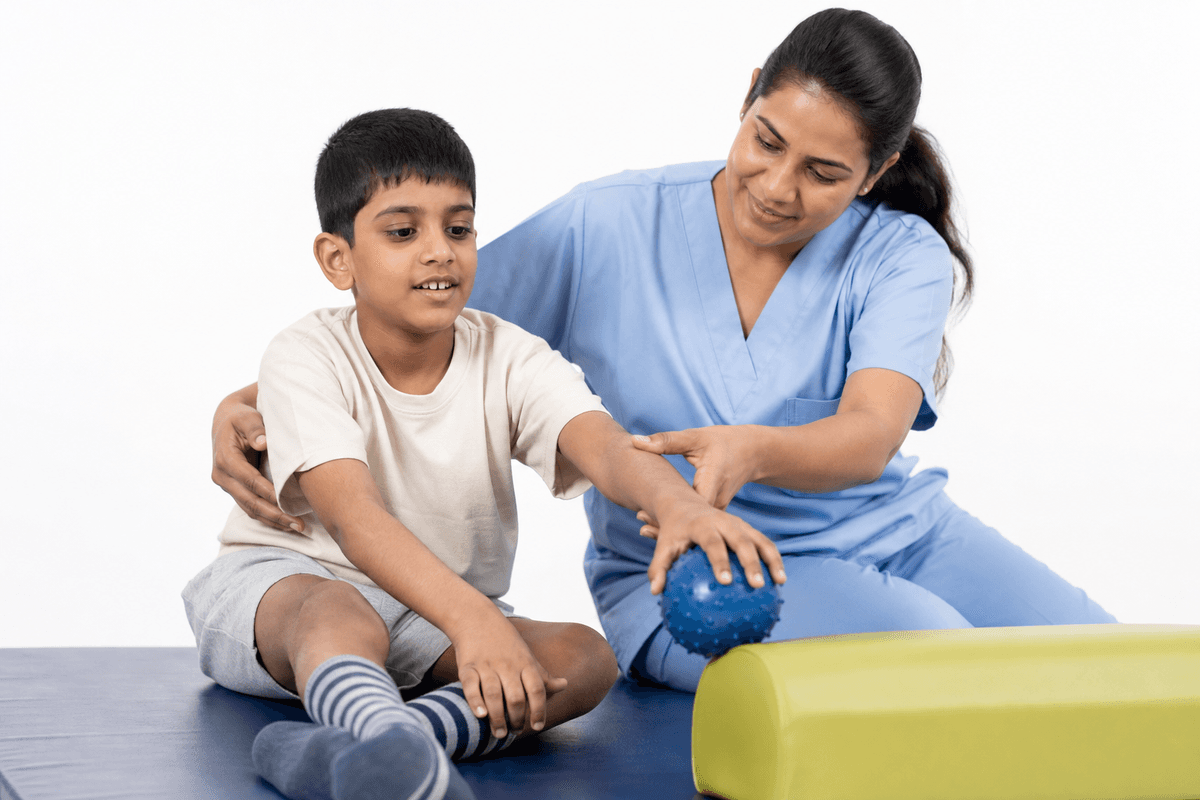
Cerebral Palsy in Secunderabad is a group of permanent movement disorders that appear in early childhood, affecting muscle tone, posture, and coordination. This condition results from abnormal brain development or damage to the developing brain, impacting motor function and often requiring multidisciplinary intervention. Dr. Roshan Kumar Jaiswal provides specialized pediatric orthopedic care to address the musculoskeletal complications of cerebral palsy, helping children achieve better functional outcomes.
The most common type characterized by increased muscle tone and stiffness, causing jerky movements and difficulty with fine motor control. Muscles remain constantly contracted, affecting movement and posture.
Characterized by involuntary, uncontrolled movements that can be slow and writhing or rapid and jerky. Muscle tone fluctuates between too tight and too loose, affecting the entire body.
Affects balance and coordination, causing shaky movements and difficulty with precise actions. Children may have trouble with walking, depth perception, and tasks requiring fine motor skills.
Multiple factors can contribute to the development and progression of this condition.
Cerebral Palsy develops gradually. Recognising symptoms early gives you more treatment options.
From conservative to surgical — we always start with the least invasive option first.
A structured, patient-first approach from first visit to full recovery.
Dr. Roshan Kumar Jaiswal conducts thorough clinical examination including gait analysis, muscle tone evaluation, and assessment of joint range of motion. Imaging studies and functional assessments determine the extent of musculoskeletal involvement and guide treatment planning.
A customized treatment plan is developed based on the child's age, functional goals, and specific orthopedic issues. Dr. Jaiswal collaborates with therapists, neurologists, and rehabilitation specialists to ensure comprehensive multidisciplinary care tailored to each child's needs.
Treatment begins with conservative measures including therapy protocols and orthotic management. Dr. Jaiswal monitors progress closely and recommends advanced interventions such as botulinum toxin injections or surgical corrections when necessary to optimize functional outcomes.
Regular follow-up appointments allow Dr. Jaiswal to track developmental progress, adjust treatment strategies, and address emerging orthopedic complications. Continuous support ensures children achieve and maintain their maximum functional potential throughout growth and development.
What to expect at each phase of recovery.
Following surgical intervention, patients typically require hospitalization for pain management and initial wound care. Immobilization with casts or braces protects the surgical sites while early healing occurs, usually lasting 2-6 weeks depending on the procedure.
Intensive physical and occupational therapy begins to restore range of motion, build strength, and relearn functional movements. This phase typically spans 3-6 months and focuses on achieving the functional goals established during treatment planning.
Children progressively incorporate improved movement patterns into daily activities with decreasing therapeutic support. Ongoing monitoring continues for 12-24 months post-treatment to ensure maintained improvements and address any additional needs as the child grows.
Children experience enhanced walking ability with more normalized gait patterns, reduced energy expenditure during ambulation, and increased independence in mobility. Many achieve improved endurance and reduced reliance on assistive devices.
Improved motor control and reduced spasticity enable better performance of daily activities including self-care tasks, feeding, dressing, and participation in school and recreational activities, significantly enhancing quality of life.
Timely intervention prevents or minimizes the development of fixed contractures, joint dislocations, and skeletal deformities that would otherwise worsen with growth. Early treatment preserves joint integrity and future functional potential.
Correction of musculoskeletal abnormalities alleviates pain associated with joint malalignment, muscle spasticity, and abnormal biomechanics. Improved positioning and reduced muscle tension contribute to better comfort and sleep quality.
Without appropriate orthopedic management, children with cerebral palsy develop progressive musculoskeletal complications including fixed joint contractures, hip subluxation or dislocation, and severe skeletal deformities. These complications result in increased pain, loss of functional abilities, difficulty with positioning and care, and significant deterioration in quality of life. Early intervention is essential to prevent irreversible deformities and maximize long-term functional outcomes.
Parents should seek evaluation by a pediatric orthopedic surgeon like Dr. Roshan Kumar Jaiswal if their child shows signs of abnormal muscle tone, delayed motor milestones, asymmetric movements, or difficulty with age-appropriate physical activities. Children already diagnosed with cerebral palsy require regular orthopedic monitoring to detect and address emerging musculoskeletal complications. Immediate consultation is warranted if a child develops increasing pain, progressive loss of function, or visible joint deformities.
Early treatment means more options and better outcomes. Book a consultation to understand your condition and explore the right path forward.
Consult Roshan Kumar Jaiswal for Cerebral Palsy at any of these 9 centres — pick the one nearest you.