Performed by Dr. Roshan Kumar Jaiswal
Gait Correction Surgeries in Secunderabad address abnormal walking patterns in children caused by various orthopedic conditions. These specialized surgical procedures correct structural and functional abnormalities affecting a child's ability to walk properly, improving mobility, balance, and quality of life. Dr. Roshan Kumar Jaiswal, an experienced Pediatric Orthopedic Surgeon, provides comprehensive gait analysis and personalized surgical solutions tailored to each child's unique needs.
We believe in honest, upfront disclosure so you can make an informed decision.
A step-by-step look at what happens during this procedure.
Detailed evaluation of walking pattern using clinical examination, video gait analysis, and sometimes computerized gait laboratory studies to identify specific abnormalities and plan surgical corrections.
Based on assessment findings, the surgical team determines which structures need correction, including bones, tendons, muscles, or joints, creating a customized surgical approach for each patient.
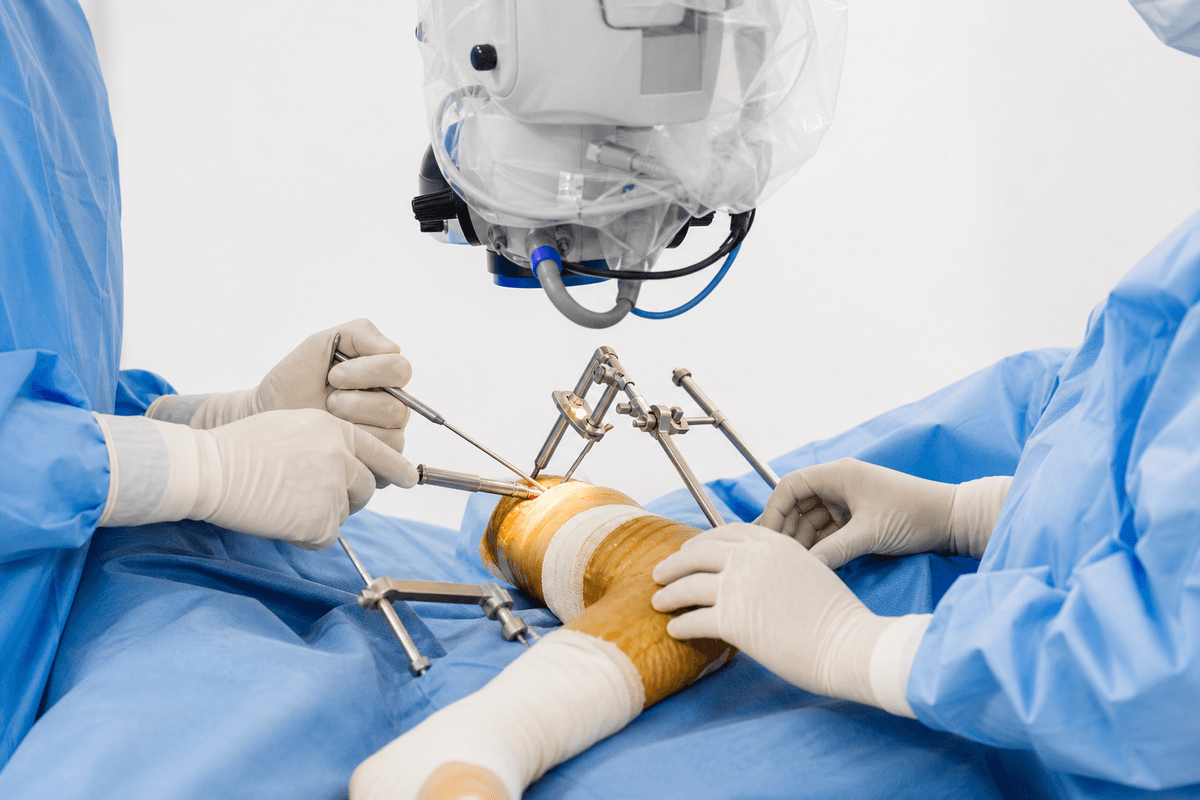
Under general anesthesia, procedures may include tendon lengthening or transfer, muscle releases, bone osteotomies, or joint stabilization to address the underlying causes of abnormal gait.
When multiple abnormalities exist, single-stage multi-level surgery may be performed to correct all problems simultaneously, reducing the need for multiple operations and optimizing outcomes.
Corrected structures are secured using appropriate fixation devices such as plates, screws, or pins, followed by layered wound closure and application of casts or splints for protection.
A structured, patient-first approach from first consultation to full recovery.
Dr. Roshan Kumar Jaiswal conducts thorough clinical gait assessments using state-of-the-art evaluation tools to precisely identify each component of the gait abnormality and develop an individualized surgical strategy.
Based on the child's specific condition, age, and functional goals, Dr. Jaiswal selects the most appropriate surgical techniques, whether soft tissue procedures, bony corrections, or combined approaches for optimal outcomes.
With specialized training in pediatric orthopedics, Dr. Jaiswal performs precise surgical corrections with attention to growth plates, neurovascular structures, and maintaining proper biomechanical alignment for growing children.
Post-surgery, Dr. Jaiswal coordinates a structured rehabilitation program including physiotherapy, occupational therapy, and gradual return to activities, ensuring sustained improvement in gait and function.
What to expect at each stage of your recovery journey.
First 2-3 weeks involve pain management, wound care, and cast/splint protection. Limited mobility with wheelchair or crutches as advised. Regular follow-ups monitor healing and prevent complications.
Weeks 4-12 focus on gradual mobilization, physiotherapy exercises to restore strength and range of motion, and gait retraining. Progressive weight-bearing under therapist supervision with assistive devices.
Months 3-12 involve continued physiotherapy, gradual return to normal activities, monitoring of gait improvement, and adjustments to orthotics if needed. Complete remodeling and adaptation of corrected structures occurs during this period.
Significant enhancement in walking pattern with better heel-strike, stance phase stability, and push-off, resulting in more efficient and energy-conserving ambulation.
Increased ability to perform daily activities independently, including walking longer distances, navigating stairs, and participating in age-appropriate physical activities.
Decreased musculoskeletal pain associated with abnormal gait patterns, improving overall comfort during walking and standing activities.
Reduced risk of developing secondary problems such as joint contractures, arthritis, spinal deformities, and chronic pain that often result from untreated gait abnormalities.
Let's clear up some of the most common myths about gait correction surgeries.
Get a personalised assessment from an experienced specialist. Understand your options, ask your questions, and decide with confidence.
Consult Roshan Kumar Jaiswal for Gait Correction Surgeries at any of these 9 centres — pick the one nearest you.