Treated by Dr. Roshan Kumar Jaiswal
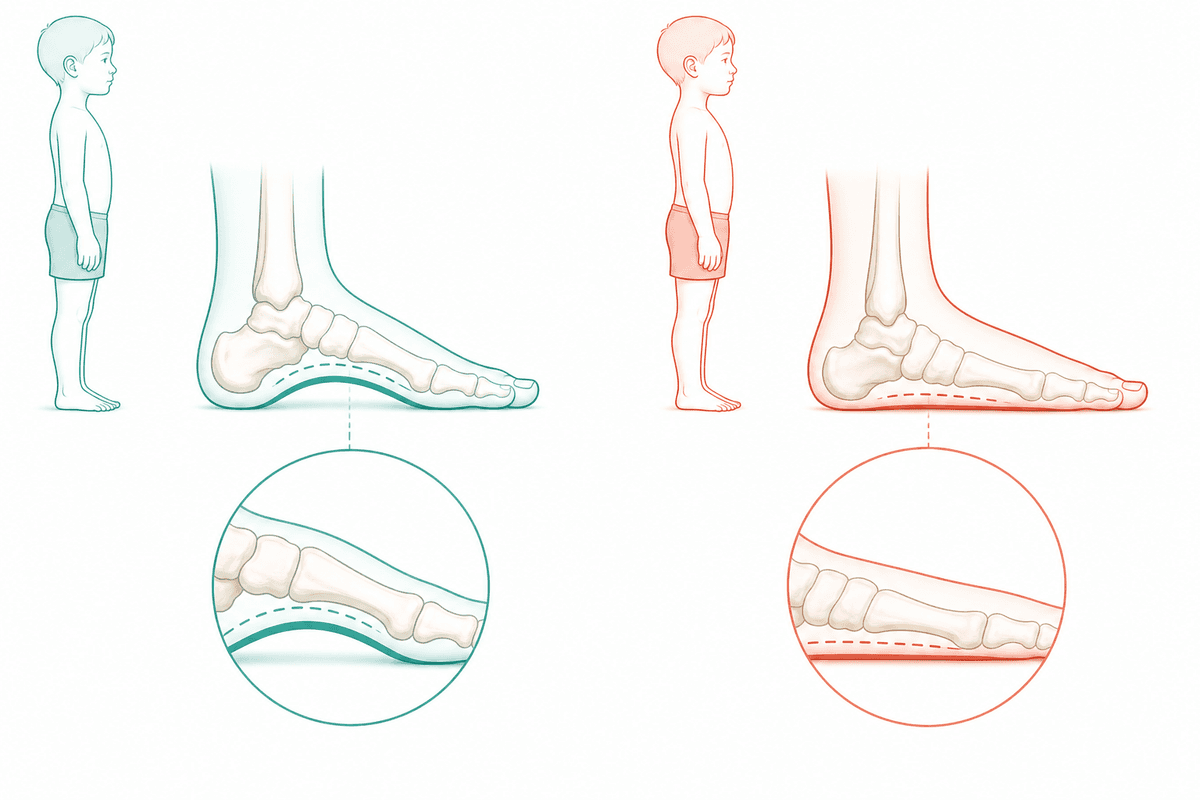
Flatfoot, also known as pes planus, is a common condition in Secunderabad where the arch of the foot is flattened, causing the entire sole to contact the ground. This condition can be flexible or rigid, affecting children and adults differently, and may lead to pain, difficulty walking, or biomechanical issues if left unaddressed. Dr. Roshan Kumar Jaiswal, a specialized Pediatric Orthopedic Surgeon, provides comprehensive evaluation and individualized treatment plans for flatfoot patients of all ages.
The most common type where the arch appears when not bearing weight but flattens when standing. Usually painless in children and often requires no treatment unless symptoms develop.
A more serious condition where the arch remains flat regardless of weight-bearing status. Often causes pain and functional limitations, typically requiring medical intervention and potentially surgical correction.
Develops in adulthood due to posterior tibial tendon dysfunction or other degenerative changes. Progressive condition that can lead to significant pain, swelling, and difficulty with walking and standing activities.
Multiple factors can contribute to the development and progression of this condition.
Flatfoot develops gradually. Recognising symptoms early gives you more treatment options.
From conservative to surgical — we always start with the least invasive option first.
A structured, patient-first approach from first visit to full recovery.
Dr. Roshan Kumar Jaiswal performs a detailed physical examination assessing foot flexibility, arch height, gait pattern, and functional limitations, combined with weight-bearing radiographs to determine the severity and type of flatfoot deformity.
Based on the patient's age, activity level, symptom severity, and deformity type, Dr. Jaiswal develops an individualized treatment strategy ranging from conservative management with orthotics to surgical intervention, always prioritizing the least invasive effective option.
Dr. Jaiswal implements treatment in a systematic manner, starting with conservative measures and progressing to surgical options only when necessary, with regular follow-up appointments to monitor progress and adjust the treatment plan based on patient response.
When surgery is indicated, Dr. Jaiswal employs advanced pediatric orthopedic techniques tailored to each patient's specific anatomy and needs, followed by structured rehabilitation protocols to ensure optimal healing, functional recovery, and long-term outcomes.
What to expect at each phase of recovery.
For conservative treatment, patients begin wearing orthotics and modifying activities immediately with gradual symptom improvement. Surgical patients require immobilization in a cast or boot with non-weight-bearing or protected weight-bearing status depending on the procedure performed.
Progressive weight-bearing is initiated for surgical patients with transition from cast to supportive boot. Physical therapy focuses on range of motion restoration, muscle strengthening, gait retraining, and gradual return to normal activities under supervised guidance.
Patients gradually resume unrestricted activities including sports and recreational pursuits. Continued use of supportive footwear or orthotics as recommended, with periodic follow-up appointments to ensure maintained correction and address any concerns regarding long-term function.
Most patients experience significant reduction or complete resolution of foot and ankle pain, with enhanced ability to perform daily activities, stand for longer periods, and participate in recreational activities without discomfort.
Successful treatment restores proper arch height and foot alignment, improving biomechanics during walking and running, reducing abnormal stress on joints, and preventing compensatory problems in the knees, hips, and lower back.
Early intervention and appropriate treatment halt or significantly slow the progression of flatfoot deformity, preventing the development of arthritis in foot and ankle joints and avoiding more complex surgical procedures in the future.
Patients report improved mobility, ability to wear regular footwear, increased participation in physical activities and sports, better posture, and overall enhanced quality of life following successful flatfoot treatment with Dr. Jaiswal.
Untreated symptomatic flatfoot can lead to progressive deformity, chronic pain, and development of arthritis in the foot and ankle joints. The condition may cause compensatory problems in the knees, hips, and lower back due to altered biomechanics. Over time, flexible flatfoot can become rigid, making treatment more complex and potentially requiring more extensive surgical intervention to restore function and alleviate pain.
Consult Dr. Roshan Kumar Jaiswal if you or your child experiences persistent foot or ankle pain, difficulty with walking or standing, visible foot deformity, or inability to participate in normal activities due to foot problems. Early evaluation is particularly important for children with flatfoot who develop pain, stiffness, or functional limitations. Adults should seek care if they notice progressive flattening of the arch, swelling along the inside of the ankle, or new-onset foot pain that interferes with daily activities.
Early treatment means more options and better outcomes. Book a consultation to understand your condition and explore the right path forward.
Consult Roshan Kumar Jaiswal for Flatfoot at any of these 9 centres — pick the one nearest you.