Performed by Dr. Roshan Kumar Jaiswal
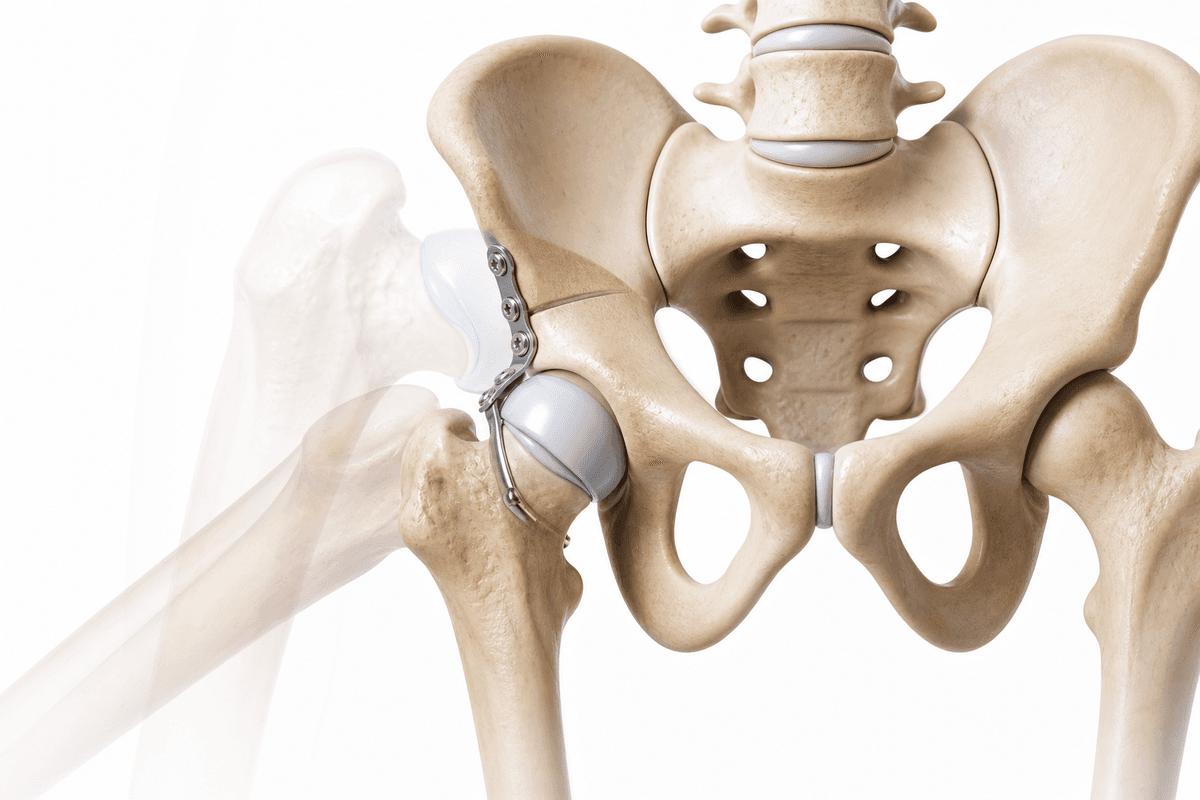
Hip Reconstruction in Secunderabad is a specialized surgical procedure designed to restore normal hip joint function, alignment, and stability in pediatric patients with congenital or acquired hip disorders. This complex procedure addresses conditions such as developmental dysplasia of the hip, cerebral palsy-related hip displacement, and post-traumatic hip deformities. Dr. Roshan Kumar Jaiswal, an experienced Pediatric Orthopedic Surgeon, performs comprehensive hip reconstruction procedures with a focus on optimal outcomes and long-term mobility for young patients.
We believe in honest, upfront disclosure so you can make an informed decision.
A step-by-step look at what happens during this procedure.
Comprehensive evaluation including detailed physical examination, gait analysis, and advanced imaging studies to determine the extent of hip deformity and plan the surgical approach.
The surgeon makes a carefully planned incision to access the hip joint, utilizing minimally invasive techniques when possible to preserve soft tissue integrity.
The femur and/or pelvis are precisely cut and repositioned to restore proper hip joint alignment, stability, and coverage of the femoral head.
Specialized pediatric plates, screws, or pins are used to secure the reconstructed bone segments in their corrected positions while healing occurs.
The surgical site is meticulously closed in layers, and a spica cast or brace is typically applied to protect the reconstruction during initial healing.
A structured, patient-first approach from first consultation to full recovery.
Dr. Roshan Kumar Jaiswal conducts thorough pre-operative assessments using advanced 3D imaging to create a customized surgical plan tailored to each child's unique hip anatomy and specific condition.
Utilizing specialized pediatric instrumentation and age-appropriate surgical approaches, Dr. Jaiswal performs precise hip reconstruction with minimal tissue trauma and optimal bone preservation.
Dr. Jaiswal and his team provide detailed post-operative monitoring, pain management protocols, and regular follow-up appointments to track healing progress and ensure proper bone union.
A customized physical therapy and rehabilitation program is designed to gradually restore hip function, strength, and mobility while protecting the reconstructed joint during critical healing phases.
What to expect at each stage of your recovery journey.
The first 1-2 weeks involve hospital stay and initial home recovery with strict immobilization in a spica cast or brace. Pain management, wound care, and prevention of complications are priorities during this phase.
Weeks 2-12 focus on bone healing while maintaining immobilization. Regular X-rays monitor healing progress, and the cast may be changed or adjusted. Limited mobility requires assistance with daily activities.
Months 3-6 involve gradual removal of immobilization, initiation of physical therapy, progressive weight-bearing, and restoration of hip range of motion, strength, and functional mobility through structured exercises.
Successful hip reconstruction provides proper femoral head coverage and joint alignment, significantly reducing the risk of hip dislocation and improving overall joint stability.
Patients experience enhanced ability to walk, run, and participate in age-appropriate activities with reduced pain and improved gait mechanics.
Proper hip alignment achieved through reconstruction helps distribute forces evenly across the joint, significantly reducing the risk of premature hip degeneration and osteoarthritis.
Children gain independence in daily activities, improved self-esteem, and the ability to participate more fully in social, recreational, and educational activities.
Let's clear up some of the most common myths about hip reconstruction.
Get a personalised assessment from an experienced specialist. Understand your options, ask your questions, and decide with confidence.
Consult Roshan Kumar Jaiswal for Hip Reconstruction at any of these 9 centres — pick the one nearest you.